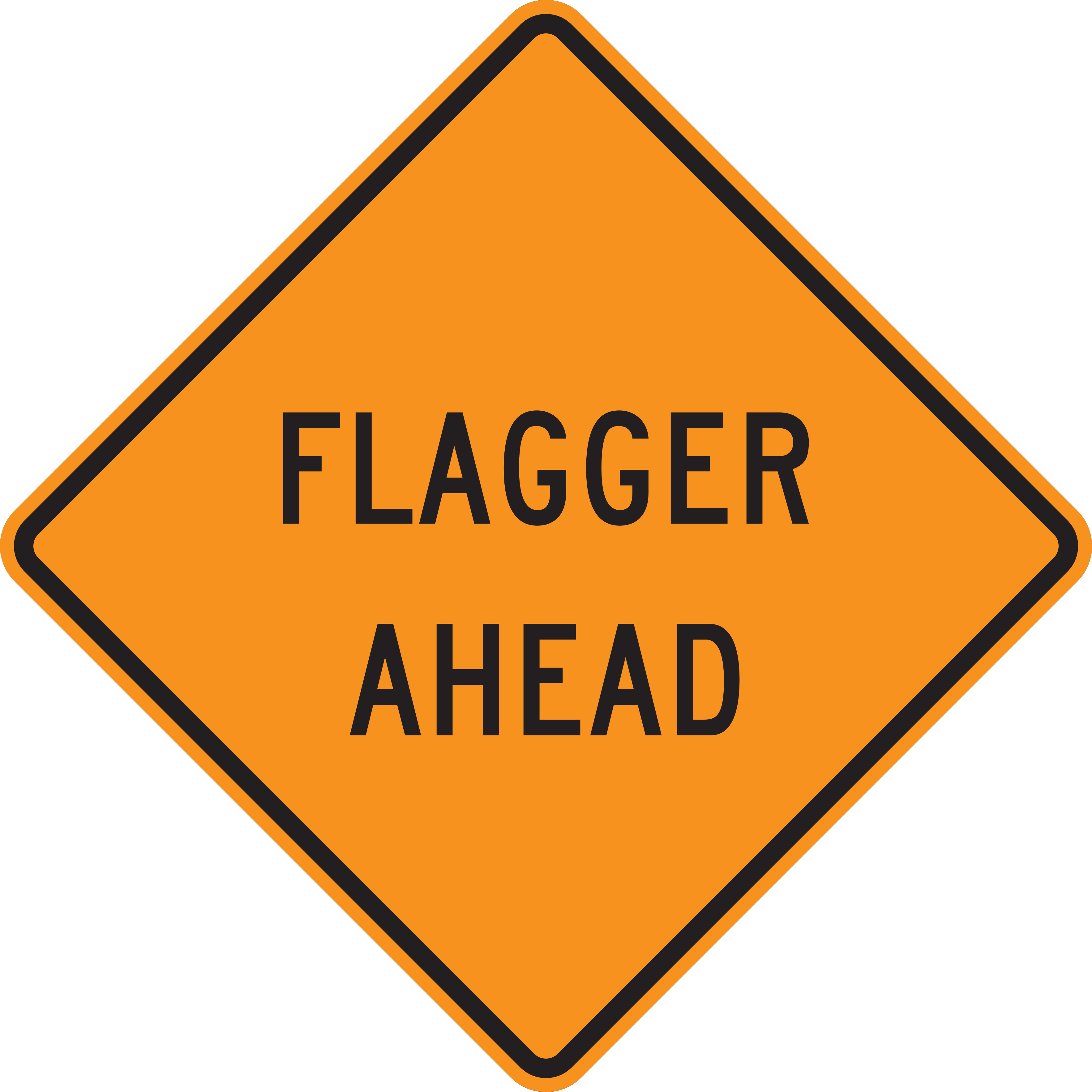
Road signs · Work zoneFlagger Ahead Sign: Meaning and What to Do
The orange diamond with a figure holding a flag warns that a person is directing traffic ahead, usually where a work zone squeezes two directions into one lane. The flagger's STOP and SLOW paddle is a portable, human-operated traffic signal.
What to doWhat to do when you see the flagger ahead sign
Slow down immediately and be ready to stop where the flagger stands. Obey the paddle without negotiation: STOP means stop and wait, SLOW means proceed at reduced speed along the path shown. Keep your eyes on the flagger while moving through, since instructions can change mid-zone.
The signs it is confused with
Questions pair it with the general Road Work sign that opens the zone, and probe the override rule: between a green light, a posted limit, and a flagger, the flagger wins. The pedestrian-figure warning signs look similar at a glance, but only the flagger holds a flag or paddle, on an orange background.
On the testWhere the flagger ahead sign is tested
This sign appears in 14 questions across 14 of our state banks, on Driver License practice tests. Start with your state:
Try itA real practice question about this sign
Sample 1 · Trucks Motorcycles Light Rail And Work ZonesA work-zone flagger displays a STOP paddle. Which response is required?
- ASound the horn until the paddle changes
- BStop and follow the flagger's directionsCorrect
- CContinue because portable controls are optional
- DDrive around the flagger on the shoulder
Why: Work-zone flaggers use red flags or STOP/SLOW paddles to stop, slow, or guide traffic, and drivers must follow their directions carefully. Therefore, the supported response is "Stop and follow the flagger's directions".
Every practice test explains its answers this way. Pick your state and take one free; no sign-up.
Choose your stateQuestionsQuestions about the flagger ahead sign
?What does the flagger ahead sign mean?
A person is directing traffic ahead with a STOP and SLOW paddle, usually where a work zone reduces the road to one shared lane. Slow down and be ready to stop at their position.
?Do flagger instructions override traffic signs and signals?
Yes. A flagger's direction takes precedence over posted signs and signals in the zone. If the paddle says STOP, you stop, even if everything else suggests you could proceed.
?What do the two faces of the paddle mean?
STOP means come to a complete stop and wait at the flagger's station. SLOW means proceed, at reduced speed, along the path the flagger indicates. There is no third option and no rolling through a STOP face.
?Why do work zones use human flaggers at all?
Because the traffic pattern changes minute by minute: alternating one-lane traffic, trucks entering, crews moving. A person can meter traffic in real time in a way fixed signs cannot.
?How does the flagger sign appear on the written test?
As identification of the orange symbol and as the override rule in scenario form: who do you obey when a signal and a flagger disagree. The tested answer is always the flagger.