Road signs · WarningTwo-Way Traffic Sign: Meaning and What to Do
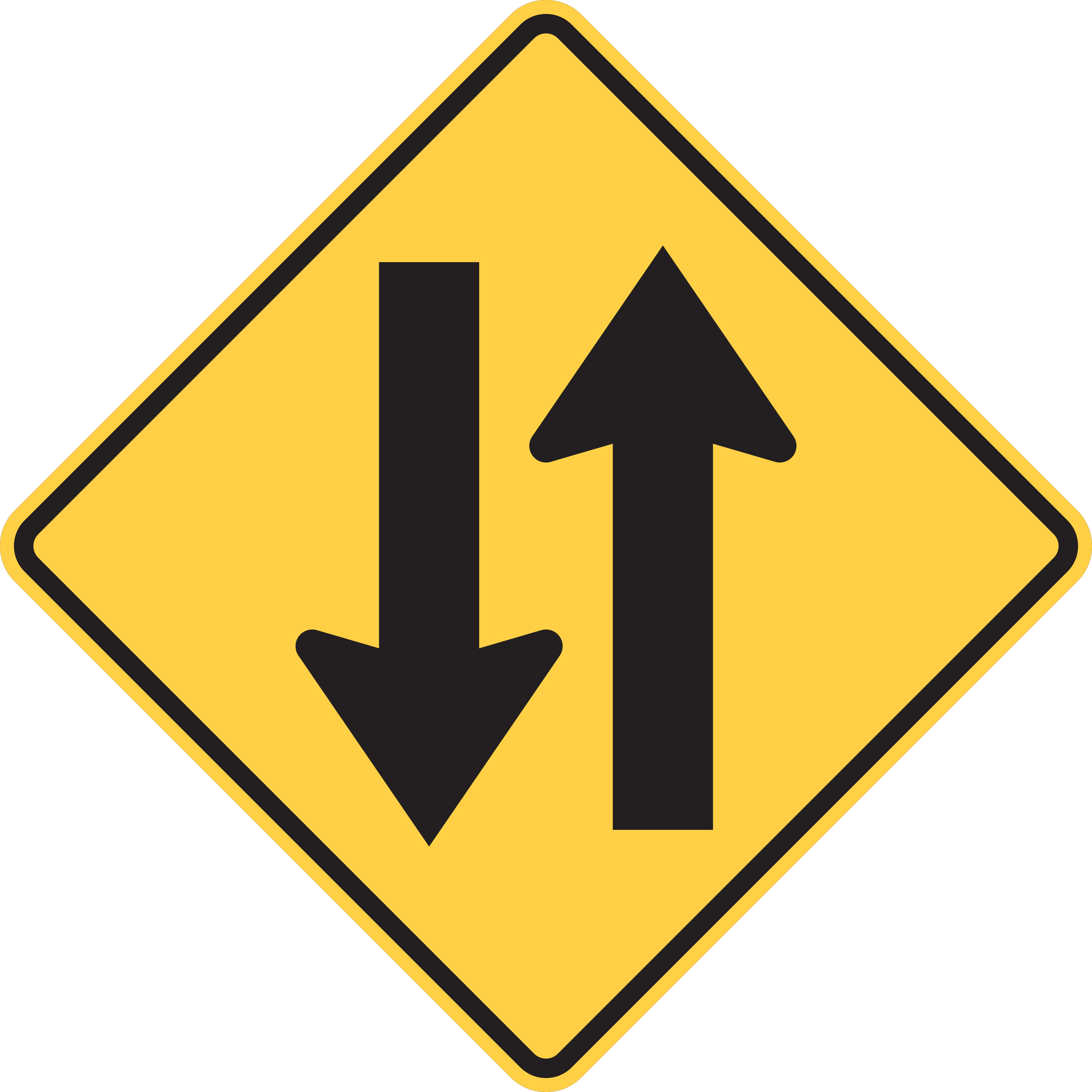
The yellow diamond with two vertical arrows pointing in opposite directions warns that you are entering or returning to a road with traffic in both directions. It is posted where a one-way street or a divided section ends, exactly where a driver might still be carrying one-way habits.
What to doWhat to do when you see the two-way traffic sign
Keep right, expect oncoming traffic in the left lane from here on, and recalibrate your passing rules: overtaking now means entering the oncoming lane, done only where legal, sighted, and clear. At night, expect headlights ahead that were impossible a block earlier.
The signs it is confused with
Tests contrast it with Divided Highway Ends, which warns that a physical median is ending, often ahead of the same situation, and with the one-way arrow signs it effectively cancels. The two opposed arrows in one diamond are the giveaway: both directions share this pavement.
On the testWhere the two-way traffic sign is tested
This sign appears in 1 questions across 1 of our state banks, on Driver License practice tests. Start with your state:
Try itA real practice question about this sign
Sample 1 · Signs And Pavement MarkingsWhat change does the illustrated TWO-WAY TRAFFIC sign warn about?
- AOpposing traffic begins aheadCorrect
- BA second lane opens in the same direction
- CThe road becomes one-way
- DAll traffic must turn around
Why: A TWO-WAY TRAFFIC AHEAD sign means a one-way road ends and opposing traffic will use the roadway; the driver should remain right of the centerline. Therefore, the supported response is "Opposing traffic begins ahead".
Every practice test explains its answers this way. Pick your state and take one free; no sign-up.
Choose your stateQuestionsQuestions about the two-way traffic sign
?What does the two-way traffic sign mean?
The road ahead carries traffic in both directions. It is usually posted where a one-way street or divided section ends, so drivers stop treating the left lane as theirs.
?Why does this sign matter so much after a one-way street?
Because one-way habits are dangerous on two-way roads: using the left lane freely and passing on the left without checking for oncoming traffic. The sign is the reset point for those habits.
?How is it different from the divided highway ends sign?
Divided Highway Ends warns that the physical median separating the directions is ending. Two-Way Traffic states the resulting condition: opposing traffic on shared pavement. They often appear near each other.
?What should I do when I see the two opposing arrows?
Keep right, adjust your expectations for oncoming traffic, and treat any pass from here on as an oncoming-lane maneuver requiring a legal, clear, and sighted opportunity.
?How does this sign appear on the written test?
Mostly as symbol identification among similar-looking arrow diamonds. The two opposed vertical arrows are unique to it, which is exactly what the question is checking you can recognize.