No Turn On Red Sign: Meaning and What to Do
Most states allow a right turn at a red signal after a complete stop, when the way is clear. The No Turn On Red sign removes that permission at the intersection where it is posted: while the signal is red, you wait, however clear the cross street looks.
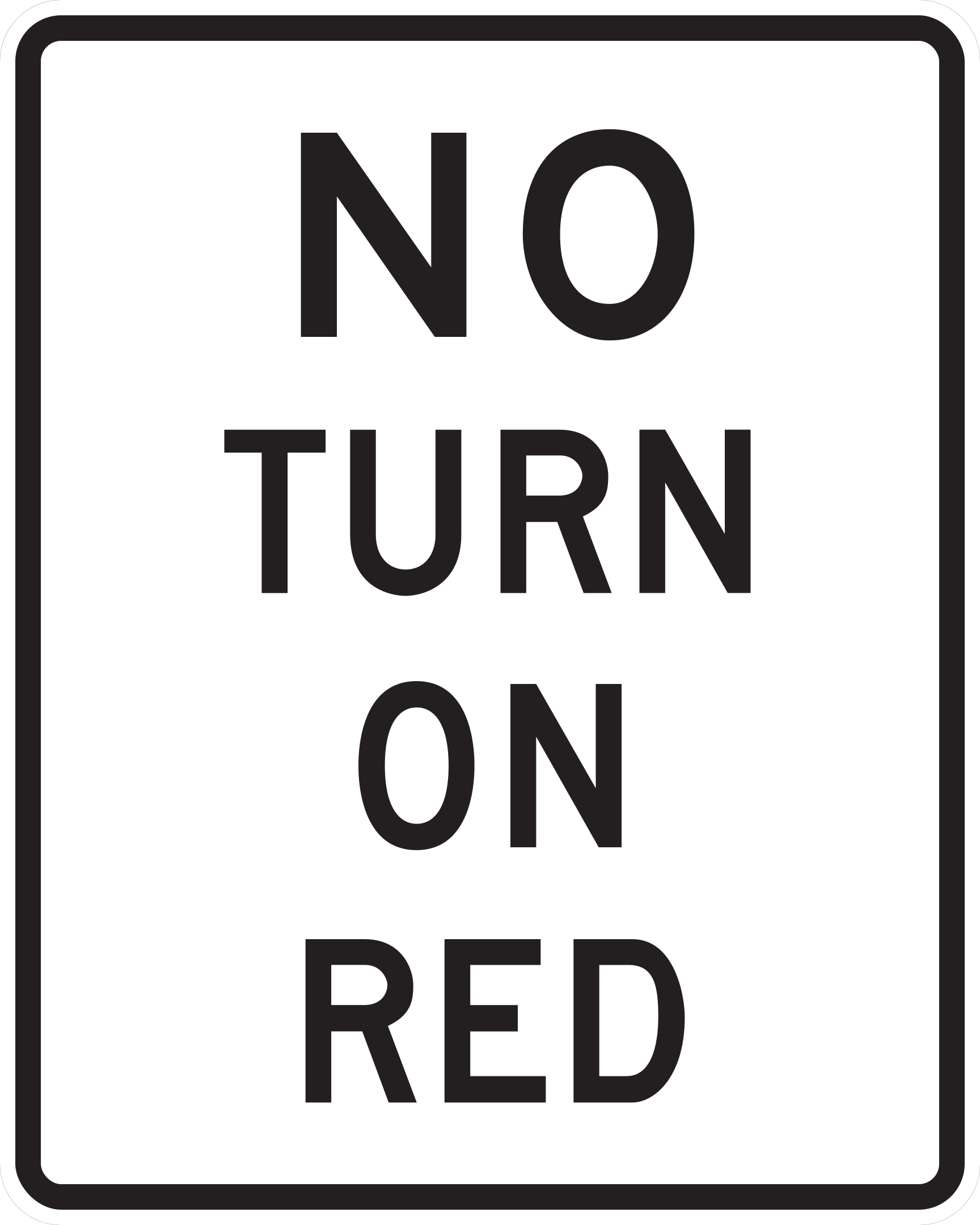
No Turn On Red Sign
The sign is posted where the turn-on-red kept going wrong: crosswalks with heavy foot traffic, skewed intersections with short sight lines, or signal phasing that puts protected pedestrians exactly where the turning driver looks last.
What to do when you see the no turn on red sign
Stop at the red as always. If the sign faces you, hold the stop until the signal turns green, then turn with the normal yielding duties. Where no such sign is posted and your state allows turns on red, the turn still requires a complete stop first and a full yield to pedestrians and traffic.
The signs it is confused with
Tests contrast it with the default rule it suspends: turn on red allowed after a stop, where state law permits. It is a worded sign rather than a symbol in most placements, and questions check whether you notice its presence changes the answer at an otherwise ordinary red light.
Signs are one topic of ten on every test
Every state practice test covers signs, signals, and markings among its ten topics, with every answer explained. Pick your state and see how its exam asks about signs like this one; it is free, with no sign-up.
Choose your stateQuestions about the no turn on red sign
What does no turn on red mean?
The usual permission to turn right at a red light after stopping is withdrawn at this intersection. You wait for green, then turn with normal yielding.
Is turning right on red legal without this sign?
In most states, yes: complete stop first, then the turn when pedestrians and traffic are clear. The sign marks the intersections where that default is turned off.
Why do some intersections ban turns on red?
Heavy pedestrian phases, poor sight lines, or crash history. The ban usually protects someone the turning driver tends not to see.
Does no turn on red ever apply only at certain times?
Yes; some signs carry hours or a 'when pedestrians are present' condition. Outside the stated window the default rule returns.
How is this rule tested?
As the pair of questions: when is a right on red legal, and what changes when the sign is posted. Both appear across the state banks in each state's own wording.